AC Installation in Kansas City: Energy Savings You Can Feel
Kansas City summers have a way of making air conditioning feel less like a convenience and more like a daily utility. You can plan around most things, but you cannot plan around a system that can’t keep up, short cycles all afternoon, or leaks energy through poorly sealed ductwork. The difference between “it runs” and “it works efficiently” often shows up fast, especially on the electric bill and in how even your home feels from room to room.
When you’re considering AC installation in Kansas City, the best results come from matching equipment to your home and comfort goals, then protecting that performance with maintenance that doesn’t get skipped. I’ve seen too many installs that looked fine on paper yet underperformed because airflow, duct sealing, and thermostat setup were treated like afterthoughts. The good news is that energy savings are real when the fundamentals are handled correctly.
This article walks through what drives those savings, what to watch during an AC installation, and how AC maintenance in Kansas City helps the system stay efficient instead of slowly drifting into expensive problems.
Why energy savings feel different in KC
Kansas City is humid in the summer. Humidity matters because an air conditioner is not only cooling air, it’s removing moisture. If the system runs in a way that’s too aggressive, the air can cool quickly but moisture may not be extracted as effectively, leaving rooms feeling clammy. If the system is undersized, it will struggle to remove moisture consistently and will run longer. Both scenarios can increase energy use while making comfort worse.
A well-designed installation manages three things at the same time:
- Cooling capacity that matches real heat gain in your home
- Airflow that moves conditioned air at the right rate and across the right surfaces
- Moisture removal driven by appropriate system staging and coil conditions
Those are the drivers behind “you can feel it” savings. You get steadier temperatures, fewer temperature swings, and a home that doesn’t feel damp when the sun is baking the siding.
I often tell homeowners to think of an efficient system as one that gets to the target conditions without fighting the house. When your AC installation is sized and tuned properly, it doesn’t need to blast cold air for short bursts all day. It can run more steadily, using energy more effectively per hour of comfort.
The most common reasons new ACs save money less than expected
Not every installation is created equal. A higher SEER rating on the nameplate is only one piece of the puzzle. If the job treats the equipment like it can overcome everything else, the savings can be disappointing. Here are the issues I see most often, and how they reduce real-world efficiency.
Oversized systems that short cycle
Oversizing is one of the biggest culprits. A system https://all4onekc.com/ that’s too large may reach the thermostat setpoint quickly, then shut off. On paper, that can look efficient because the compressor isn’t running constantly. In practice, short cycling reduces moisture removal and creates more wear on components. The result is a house that feels less comfortable and a system that may need AC repair in Kansas City MO more frequently due to higher cycling stress.
Also, the compressor starts and stops more often. That startup load costs energy and adds heat to the electrical components. Many homeowners notice this as temperature swings and a “dry but not really comfortable” feeling, especially in humid afternoons.
Poor airflow, even with the right equipment
Airflow problems are sneaky because they can happen after installation, not just because of the unit. A clogged filter, a return duct that can’t pull enough air, or a supply duct that’s leaky can all shift what the evaporator coil “sees.” When airflow is off, the coil can freeze or get too warm. Either condition forces the system out of its ideal operating range.
Low airflow also increases humidity issues. If air isn’t moving across the coil properly, the system may cool but not pull enough moisture. Then the system compensates, running longer and drawing more energy.
Duct leakage and unbalanced distribution
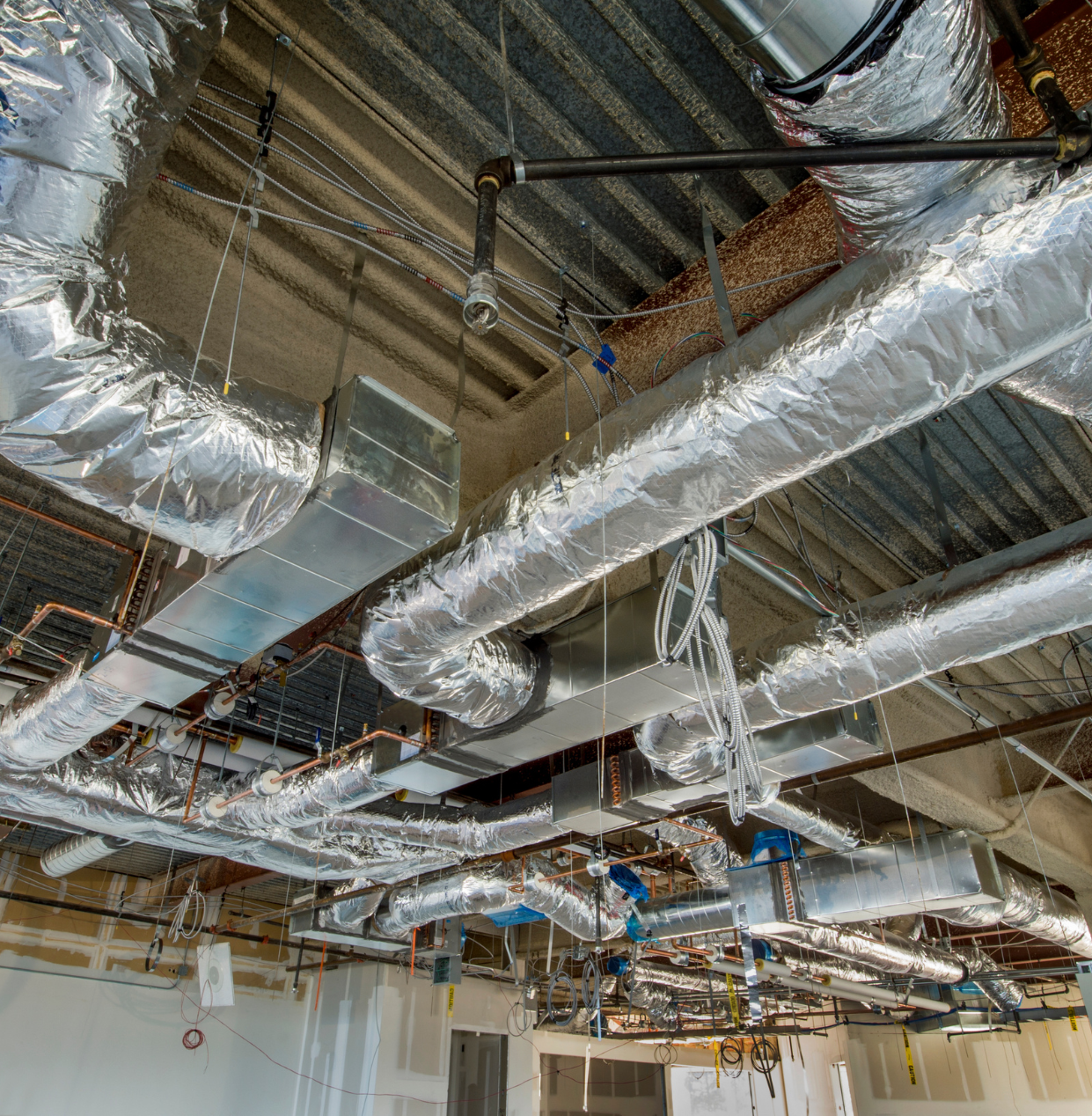
Ductwork is often the silent energy drain. Kansas City homes vary widely, from older systems with leaky metal ducts to newer installs that still have joints and transitions that need attention. If ducts run through hot spaces, like attics or crawlspaces without good sealing, you’re paying to cool air that leaks or heats up before it reaches the living space.
This is why I like to see an installation approach that considers ductwork as part of the HVAC repair plan, even when the focus is AC installation. A great outdoor unit paired with mediocre distribution can never deliver the full efficiency you’re paying for.
Thermostat settings that undermine comfort
Thermostat setup can do more than change temperature schedules. Improper staging, wrong temperature swing settings, and incorrect humidity-related operation can push the system into modes that waste energy. Sometimes it’s as simple as homeowner behavior, like using “hold” too aggressively during peak humidity, but other times it’s a setup and calibration issue.
In my experience, the best HVAC contractor in Kansas City MO isn’t only installing equipment, it’s explaining how to use it so the system can actually operate efficiently in the conditions KC creates every day.
What a quality AC installation actually includes
People picture an AC installation as a swap: remove old unit, set new unit, connect lines, done. In the real world, a quality installation is a chain of decisions, measurements, and careful commissioning. If any link is sloppy, the efficiency and comfort take a hit.
When I walk through the process with homeowners, I listen for a few key signals: Are they asking about the house, the ducts, the humidity, and the way the system behaves now? Or are they starting with a quick guess based on square footage?
There’s nothing wrong with square footage as a starting point, but it should not be the ending point. Heat gain depends on insulation, window types, sun exposure, ceiling height, air leakage, and the layout of the home. Kansas City also has humidity and weather swings that affect load.
Here’s what a thoughtful installation usually involves.
A load calculation, not a guess
A proper load calculation estimates how much cooling the home needs under Kansas City conditions. It accounts for structure and airflow pathways. When it’s done well, you avoid the oversizing that leads to short cycling and poor humidity removal.
You’ll sometimes hear people talk about equipment sizing in “tons,” but the real value is how accurately the system is matched. If you’re installing an AC replacement because the old one underperformed, you don’t want to repeat the same sizing assumptions.
Proper refrigerant line sizing and connections
Refrigerant is the system’s lifeblood. Refrigerant line length, lift, and the quality of brazing and evacuation matter. Even small issues can lead to performance loss. Some problems may not show up immediately, then appear as the system struggles in the hottest weeks of the year.
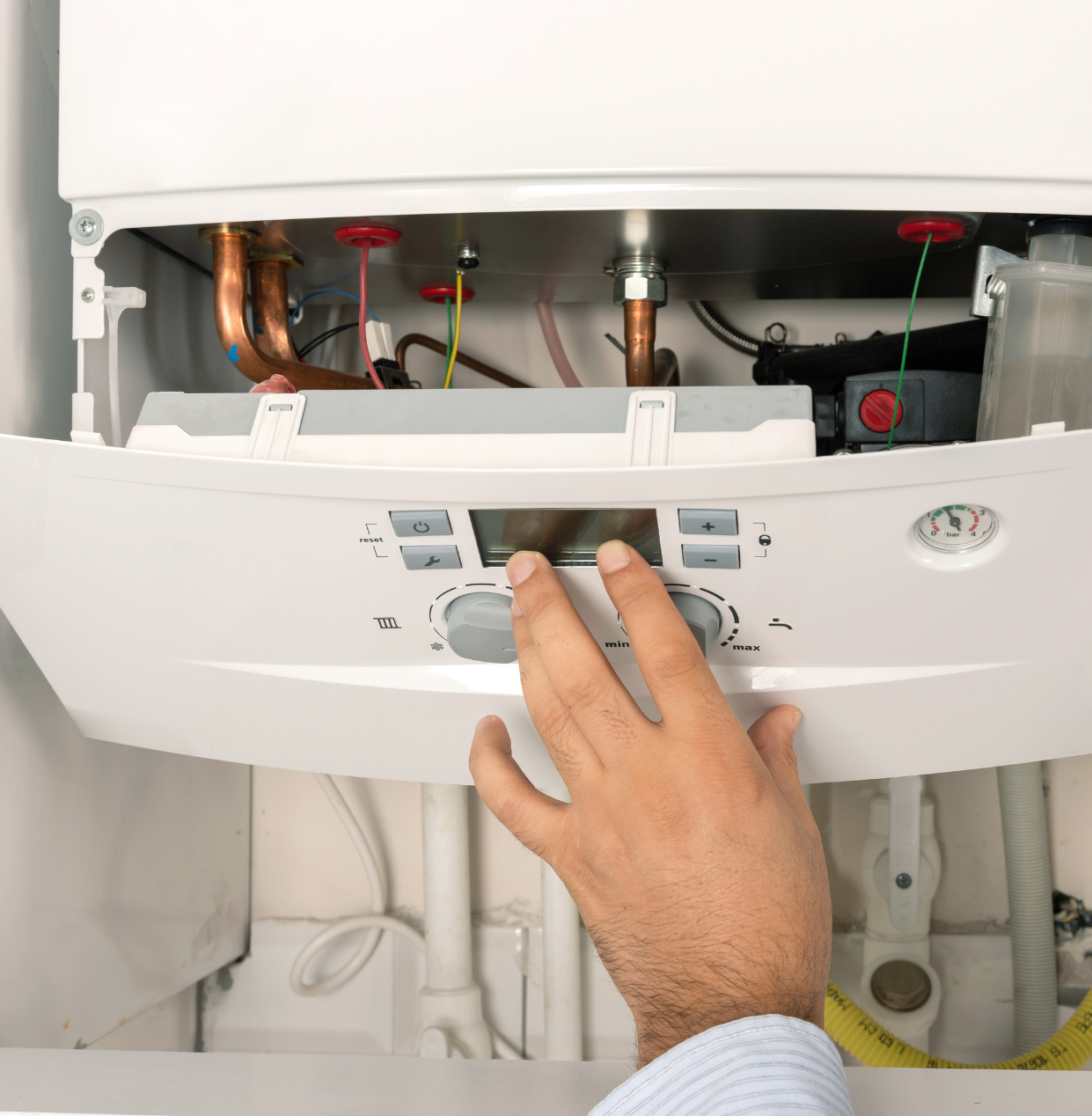
If the installation includes careful leak testing, good workmanship at the connections, and a solid vacuum process, that’s a strong sign the team understands refrigerant systems rather than just swapping parts.
Air handler match and airflow verification
For split systems and many central setups, the indoor unit and outdoor unit must be matched correctly. But match on paper is not enough. You want airflow verified using real measurements, not assumptions. That includes checking static pressure, ensuring the correct blower speed or ECM settings, and confirming that the airflow reaches the rooms as designed.
When those checks are handled, the system can cool efficiently and remove moisture properly.
Duct evaluation and sealing considerations
If your home has ductwork, it’s worth evaluating leakage and distribution. Not every situation requires major duct replacement, but sealing small leaks, fixing collapsed sections, and addressing return paths can improve performance significantly.
I’ve helped homeowners through the “duct question” by separating needs from options. Sometimes the biggest gains come from a few targeted repairs and better filtration practices. Other times, the duct system is simply too undersized or damaged to support efficient cooling. That’s where a contractor’s judgment matters.
A realistic look at comfort and humidity (not just temperatures)
Homeowners often ask, “How cool will it get?” The better question in KC is, “How will it feel after three hours of humidity?” The second question is about air movement, coil temperature, and moisture removal.
A high-efficiency AC installation can deliver lower energy use, but comfort depends on system behavior. For example:
- If the system is oversized, it may satisfy temperature quickly while leaving humidity behind. The home feels sticky even when the thermostat reads “on target.”
- If the system is properly sized and staged, it can run long enough to remove moisture without overheating the coil or pulling air in a way that wastes energy.
- If airflow is correct, you get better dehumidification because the coil can do its job.
In KC, you can feel the difference on evenings when humidity is still high and the sun has been on the roof all day. A well-tuned system keeps the air drier, which often lets you use a slightly higher setpoint without feeling uncomfortable. That’s where savings compound naturally.
What to expect on day one of AC installation in Kansas City
The best installations are organized. They respect your home, protect equipment during placement, and verify performance before calling it finished. If a contractor arrives with only “we’ll swap it,” it’s a red flag. If they arrive ready to measure, protect, and test, you’re in safer territory.
On the practical side, there are a few things you can plan for. Here’s a short list of what I typically encourage homeowners to ask about or watch for:
- Whether the contractor performs a load calculation or at least documents the basis for equipment sizing
- How they verify airflow and static pressure after the install
- What leak testing, evacuation, and charging steps they perform for refrigerant lines
- How thermostat setup and fan behavior are configured for comfort and humidity
- How they handle ductwork issues that affect performance, like sealed joints and return airflow
If those topics get answered clearly, you’re already ahead. If you hear vague statements like “it’ll be fine” or “we always install this size,” slow down. A comfortable, efficient home in Kansas City depends on the details, not the default.
Energy savings you can feel: where the savings come from
Let’s translate efficiency into something you can notice. Energy savings from AC installation often come from multiple sources working together.
Lower run time with the right match
A properly sized system does not have to run constantly to keep up. If your previous AC was oversized and short cycling, a corrected size with proper airflow can reduce wasted compressor starts and stabilize comfort. If your previous AC was undersized, the new system may reduce run time while achieving better dehumidification.
Either way, the key is matching capacity and airflow to the home.
Better moisture management means you can set it smarter
When the system removes humidity effectively, you can often tolerate a slightly higher temperature setting. Even a small change can matter across a long cooling season. Homeowners sometimes find they don’t need to drop the thermostat as aggressively during humid afternoons, because the house stays comfortable.
That behavior change is not about “trying to be frugal.” It’s about letting the equipment do the comfort work it was installed to do.
Reduced losses in ducts and air handling
Duct leakage and poor airflow increase energy use because the system is pushing conditioned air into losses. Sealing ducts where practical and correcting distribution issues can make the same equipment cool more effectively.
A common scenario is a homeowner who thinks the AC is weak because certain rooms never get comfortable. In many cases, it’s not the outdoor unit alone. It’s the way air travels from the system into the home.
Preventing the gradual efficiency drop
Even a great installation loses efficiency when filters, coils, and drainage get neglected. That’s where AC maintenance in Kansas City becomes a direct part of the savings story. Clean coils and proper drainage help the system operate near its intended performance. Dirty components force the system to work harder to move heat.
The maintenance that protects your investment
After installation, the system still faces Kansas City summer realities. Dust, humidity, and temperature swings can stress equipment. The best way to protect both comfort and energy savings is consistent maintenance and quick attention to early warning signs.
You might think maintenance is just changing a filter. It’s more than that. Proper maintenance typically includes checking airflow and filter fit, inspecting the indoor coil condition, verifying refrigerant-related operating behavior within safe bounds, cleaning drain lines, and checking electrical connections.
Here’s the trade-off I see most often: homeowners want to save money upfront and delay maintenance. That delay can be expensive later. A neglected drain line can create water problems, a neglected coil can reduce heat transfer, and a slow refrigerant issue can cause escalating performance problems.
Maintenance is also where HVAC repair in Kansas City MO becomes proactive rather than reactive. A good service schedule catches minor issues before they turn into compressor failures or major refrigerant problems.
If you’re comparing providers, look for those who explain what they’re checking and why. “We’ll come out and run diagnostics” is too generic. You want a technician who talks about coil condition, airflow, and operating symptoms in terms that relate to your home.
How to choose an HVAC contractor in Kansas City MO for an installation
There are contractors who can install equipment, and there are contractors who build a system that performs. If you’re shopping for an HVAC contractor in Kansas City MO, it helps to use a simple standard: Can they talk through the system design for your specific home?
Experience shows up in how they respond to questions, not just in how quickly they can schedule a job.
Pay attention to whether they:
- Ask about your current AC performance and comfort complaints
- Explain the reasoning behind equipment size and configuration
- Confirm the plan for airflow and duct considerations
- Set expectations about permits, protections, and what completion testing will look like
- Offer guidance on thermostat configuration and system operation
If a contractor avoids those topics or focuses only on price, you might save money today and pay more through higher energy use and earlier repairs.
I’ll also mention something that matters: the installation warranty terms are part of your financial protection, but so is the quality of documentation. A clean paper trail, clear equipment model numbers, and notes about commissioning make future troubleshooting much easier if you ever need AC repair in Kansas City MO.
When AC repair is the better move than replacement
Sometimes homeowners jump to replacement when they’re really dealing with a repairable issue. Other times replacement is absolutely the right call. The line is not always age alone. It’s performance, repair history, comfort impact, and how close the system is to operating failures.
A system that short cycles due to a thermostat issue, airflow restriction, or sensor problem may respond well to a repair and careful tuning. Meanwhile, an older system with refrigerant leaks, repeatedly failing components, or persistent comfort problems after fixes may justify replacement.
Here’s where judgment matters: replacing too early can feel wasteful, but replacing too late can burn money through higher bills, frequent repairs, and declining comfort.
If you’re unsure, ask for a full diagnostic that includes airflow and temperature split measurements, not just a quick part swap. A legitimate technician can tell you whether the issue is isolated or whether multiple symptoms point to a system-level problem.
Common installation edge cases in KC homes
Kansas City homes are diverse. Some issues show up repeatedly because of local housing stock and layouts.
Condensate drainage and humid summers
In humid climates, condensate management is essential. If a new install does not include proper drain line routing, proper trapping, and verification of drainage, you can end up with water problems or shutdown behavior. That can lead to AC repair calls that are avoidable with careful installation practices.
Electrical realities and breaker sizing
Older homes may have electrical quirks. A quality contractor checks the electrical setup rather than assuming it’s perfect. If the circuit and disconnects are mismatched or worn, the system can experience performance problems or premature failures. This is one reason why installation quality and later reliability are tied together.
Return air issues in certain layouts
Some homes have returns only in hallways, or returns that are undersized for the system’s airflow needs. Others have supply-heavy layouts that leave the returns struggling. When return air is poor, the system can overheat, pull the wrong airflow, and lose efficiency. It also affects comfort because some rooms will always be harder to cool.
These are not theoretical. I’ve seen repeated comfort complaints resolve once airflow balance gets corrected, either through adjustments or duct fixes.
A simple mental model for choosing the right size and setup
If you want to decide whether an AC installation will actually save energy, keep asking one question: “Is this system designed to match my home’s real heat gain and airflow needs?”
When the answers are consistent, you can expect smoother operation. The system runs with less drama, moisture removal is more reliable, and comfort becomes less of a fight during peak humidity.
When the answers are vague, you may end up with a “works but never feels right” scenario. That scenario often leads to more frequent HVAC repair in Kansas City MO, because the system is operating under strain.
Final thoughts on getting energy savings you can feel
Energy savings are not magic. They come from good decisions: correct sizing, verified airflow, thoughtful duct considerations, and proper thermostat setup. Then the savings stay real when AC maintenance in Kansas City happens on schedule, with filters changed, coils kept clean, and drainage verified.
If you’re planning AC installation in Kansas City, treat the project like a system upgrade, not just an equipment swap. Ask the right questions, look for measurements and commissioning, and choose an HVAC contractor in Kansas City MO who can explain how your specific home will be cooled, dehumidified, and operated efficiently.
When it’s done well, the payoff isn’t just in the numbers. You notice it in the way your house holds temperature, how the air feels after a humid day, and how the system behaves when everyone is home and the weather turns up the heat.
All 4 One Heating & Cooling
5828 Woodland Ave, Kansas City, MO 64110, United States
816-699-8366
[email protected]
Website: https://all4onekc.com/